WHAT WE DO
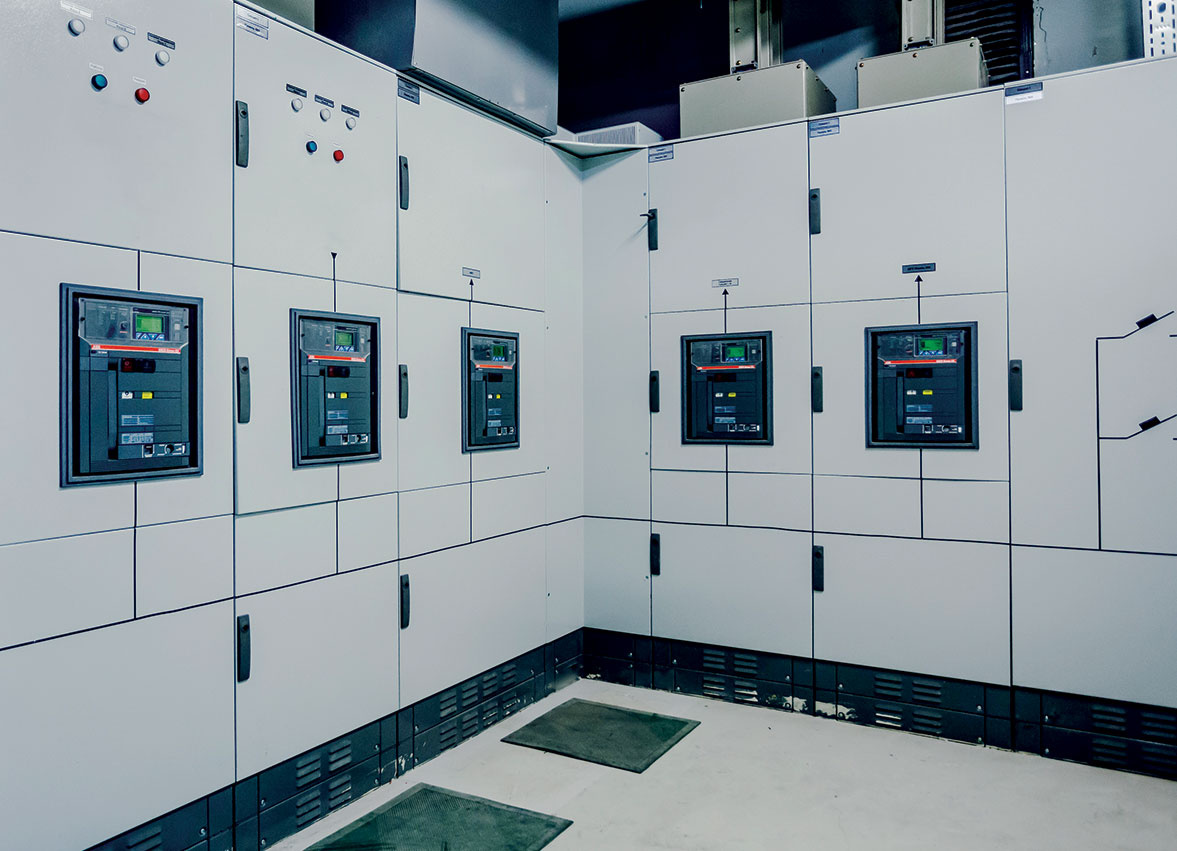
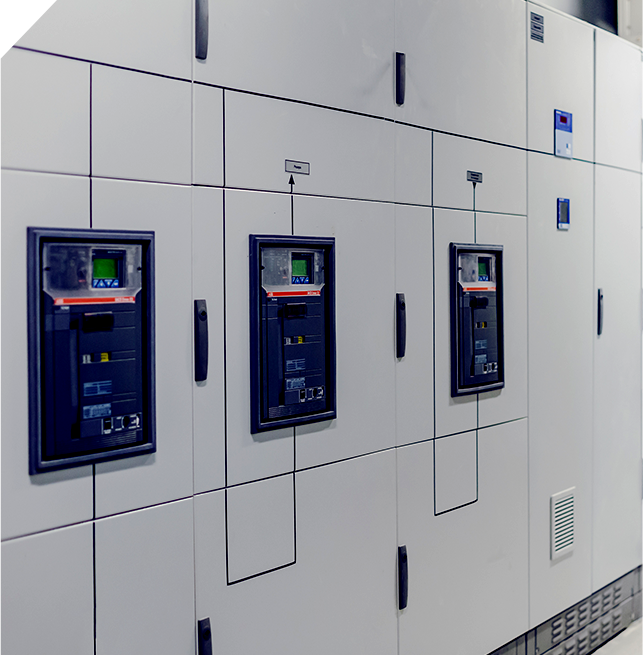
IXR performs protective relay testing in accordance with applicable ANSI/NETA ATS and MTS requirements, customer specifications, approved settings, and the engineered protection and coordination study. Testing verifies pickup values, timing characteristics, logic, communications, metering, CT and VT inputs, control circuits, and breaker trip functions to confirm each device operates accurately and selectively.

System Integrity
Protection That Performs as Intended
Protective relays are only one part of the protection scheme. Instrument transformers, control circuits, breakers, communications, settings, and logic all need to work together for the system to respond correctly to an abnormal condition.
Testing verifies that individual devices perform as expected while also confirming their role within the broader protection system.
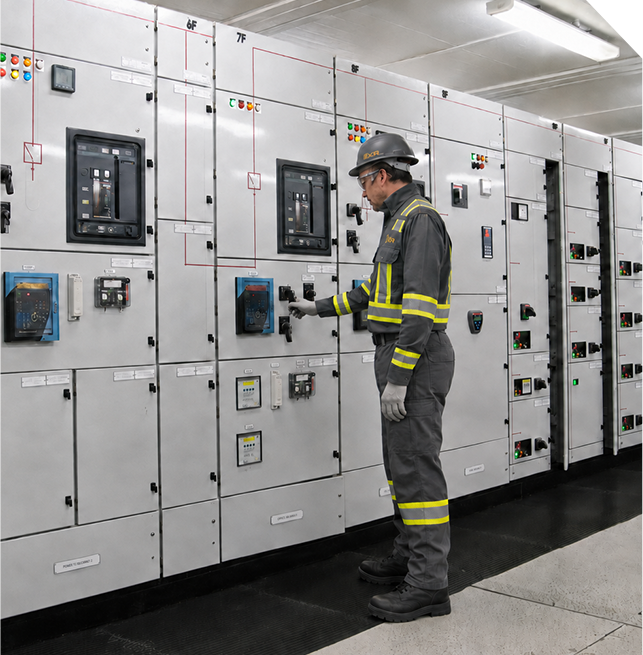
Our approach extends beyond testing an individual relay. We validate the complete protection scheme—from instrument transformers and control power through relay logic, interlocks, communications, and final trip outputs—to confirm the system responds as engineered under both normal and fault conditions.
Technical Scope
Relay Testing & Verification
Testing requirements are determined by the protection scheme, equipment, project specifications, and whether the work involves a new installation or an existing system.
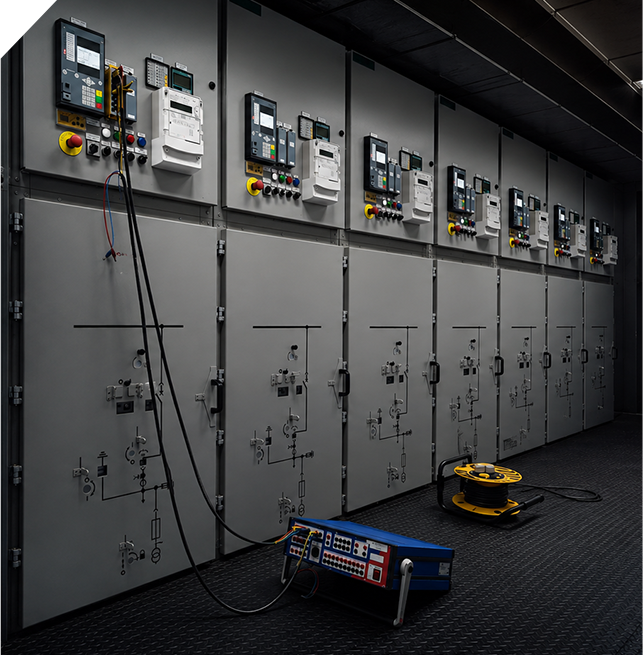
Field services may include:
- Protective relay testing and calibration
- Verification of relay settings and protection logic
- Trip and control circuit testing
- Current and voltage input verification
- Functional testing of protection schemes
Results are documented to support commissioning, maintenance, troubleshooting, and future testing requirements.
Integrated Performance
From Device Testing to Functional Verification
A relay passing an individual test does not necessarily confirm that the complete protection scheme will operate correctly.
Functional testing examines the interfaces between relays, breakers, control circuits, and associated equipment. Where required, IXR can support end-to-end verification to confirm that the intended protection sequence operates through the complete system.

System Modifications
Protection for Changing Systems
Relay testing is equally important when equipment is modified, settings are revised, or protection systems are upgraded.
Changes to generation, loads, transformers, switchgear, or system configuration can affect protection requirements. Testing following modifications helps confirm that updated settings and schemes have been implemented correctly before the system is returned to normal operation.
IXR GLOBAL SOLUTIONS
Confidence in Your Protection System
When an electrical fault occurs, the protection system must react instantaneously. Thorough protective relay testing helps ensure the equipment responsible for detecting and isolating that fault is ready to respond as intended.