
WHAT WE DO
A grounding system is expected to perform when conditions are at their worst. IXR conducts ground grid testing to verify system performance, identify deficiencies, and provide meaningful data for new and operating electrical facilities.

System Integrity
Verifying Grounding System Performance
Ground grids play a critical role in personnel safety, equipment protection, and the effective operation of electrical protection systems. Their performance cannot be determined by visual inspection alone.
Testing provides a clearer understanding of actual field conditions and can identify issues with grid integrity, connections, resistance, or system performance that require further investigation.
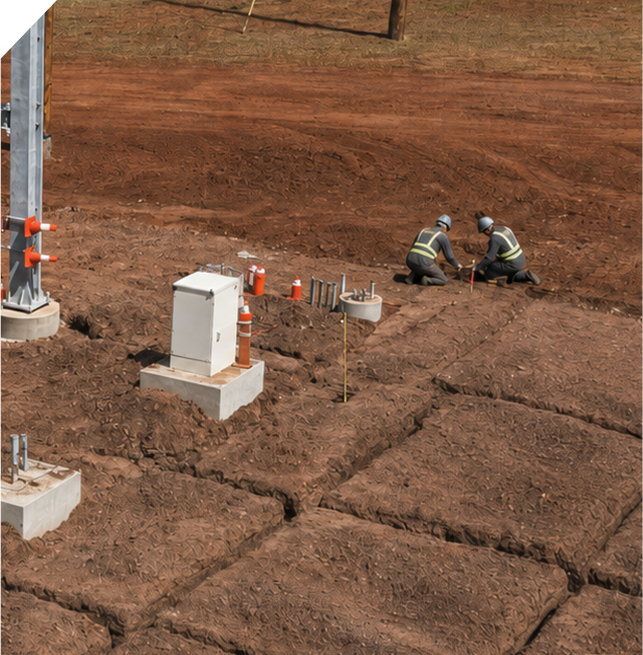
Scope of Work
Grounding System Testing
The scope and methodology depend on the facility, system configuration, applicable requirements, and reason for testing. Work may be completed during construction and commissioning, following system modifications, or as part of an ongoing maintenance and assessment program.
Ground grid testing services may include:
- Ground resistance and grid performance testing
- Ground grid integrity and continuity testing
- Investigation of suspected grounding deficiencies
- Testing following additions or modifications
- Field data collection to support engineering analysis
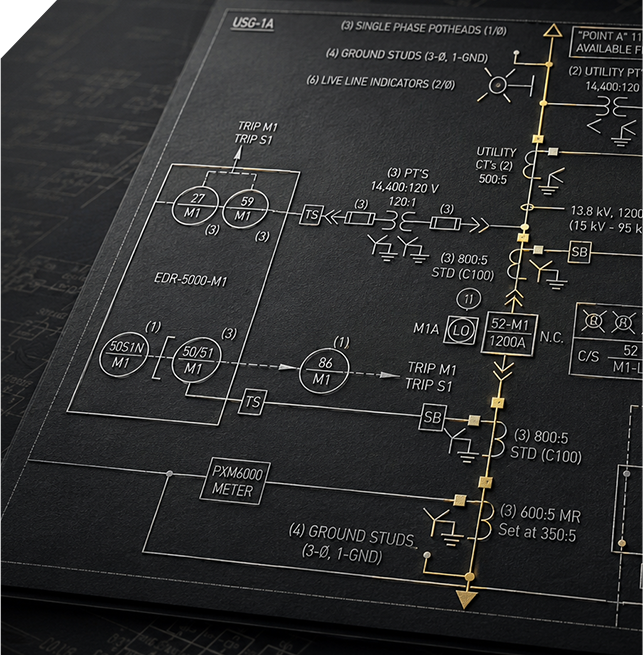
Across the Lifecycle
New Installations and Existing Facilities
For new installations, ground grid testing helps verify that the installed system performs as intended before the facility is placed into service.
At operating facilities, conditions can change over time. Corrosion, damaged conductors, equipment additions, facility expansions, and modifications to the electrical system can affect grounding performance. Periodic testing provides field data that can be compared against system requirements and previous results.


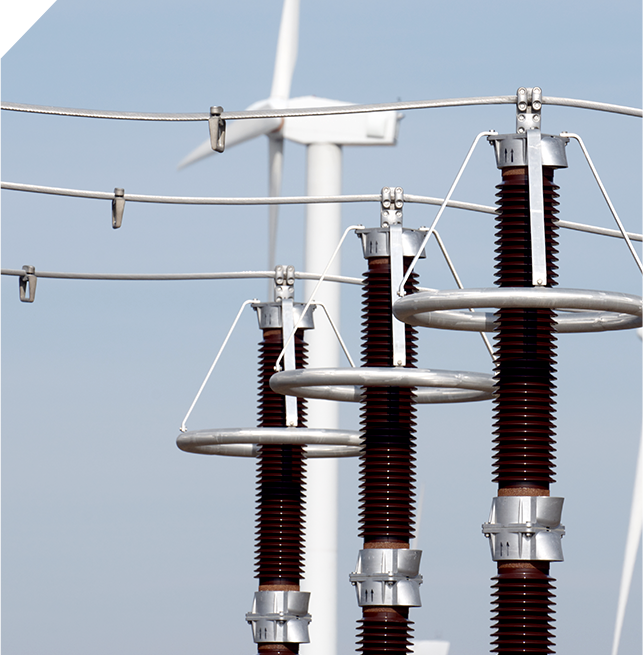
Technical Review
When Results Require Investigation
An unexpected test result needs more than a number on a report. Understanding the system configuration, site conditions, test methodology, and potential causes of an abnormal result is essential to determining what happens next.
IXR combines field testing experience with electrical engineering support to help clients investigate grounding concerns and determine whether further testing, repair, or system modification is required.
Confidence in the System Below Grade
Much of a grounding system is out of sight once construction is complete. Proper testing provides the evidence needed to understand how it is actually performing.